

Servicing and Winterising
We recommend that sails and covers are serviced regularly – for most owners this will be annually – and winter is often the ideal time to do this.
Servicing
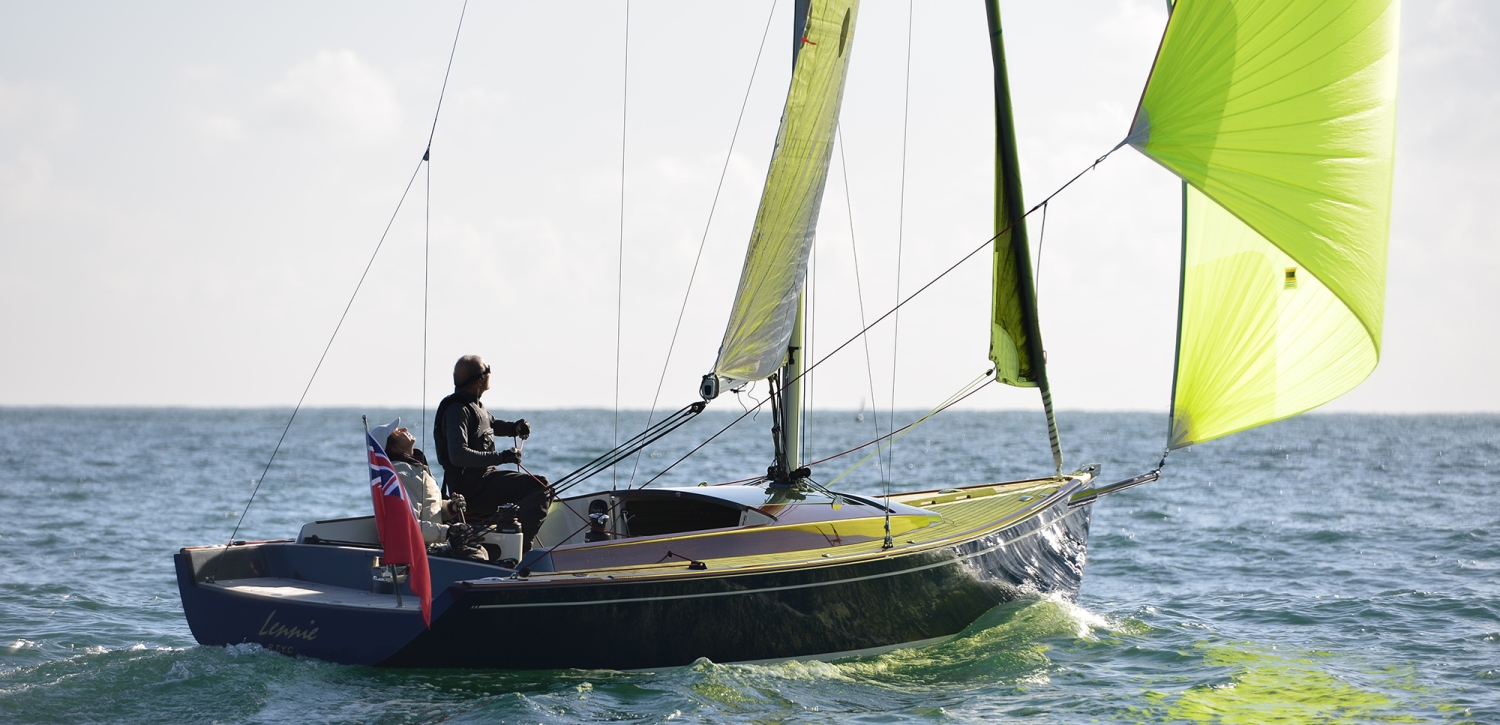
Sails are maintained by checking for damaged stitching, chafe, hardware issues, defective UV strips, delamination in laminated sails and general wear. Each sail is carefully inspected on the loft floor, on hands and knees, checking every panel, every seam and every stitch.
The key areas we check:
- Every row of stitching, including edging tapes and seams
- Chafe on the luff rope under all luff slides on mainsails and mizzen sails, and under hanks on headsails
- Batten pockets for chafe and wear, ensuring their fixing method is secure and battens cannot escape
- All areas likely to come into contact with rigging, stanchions and guardrails
- Webbing attachment loops or straps and their stitching
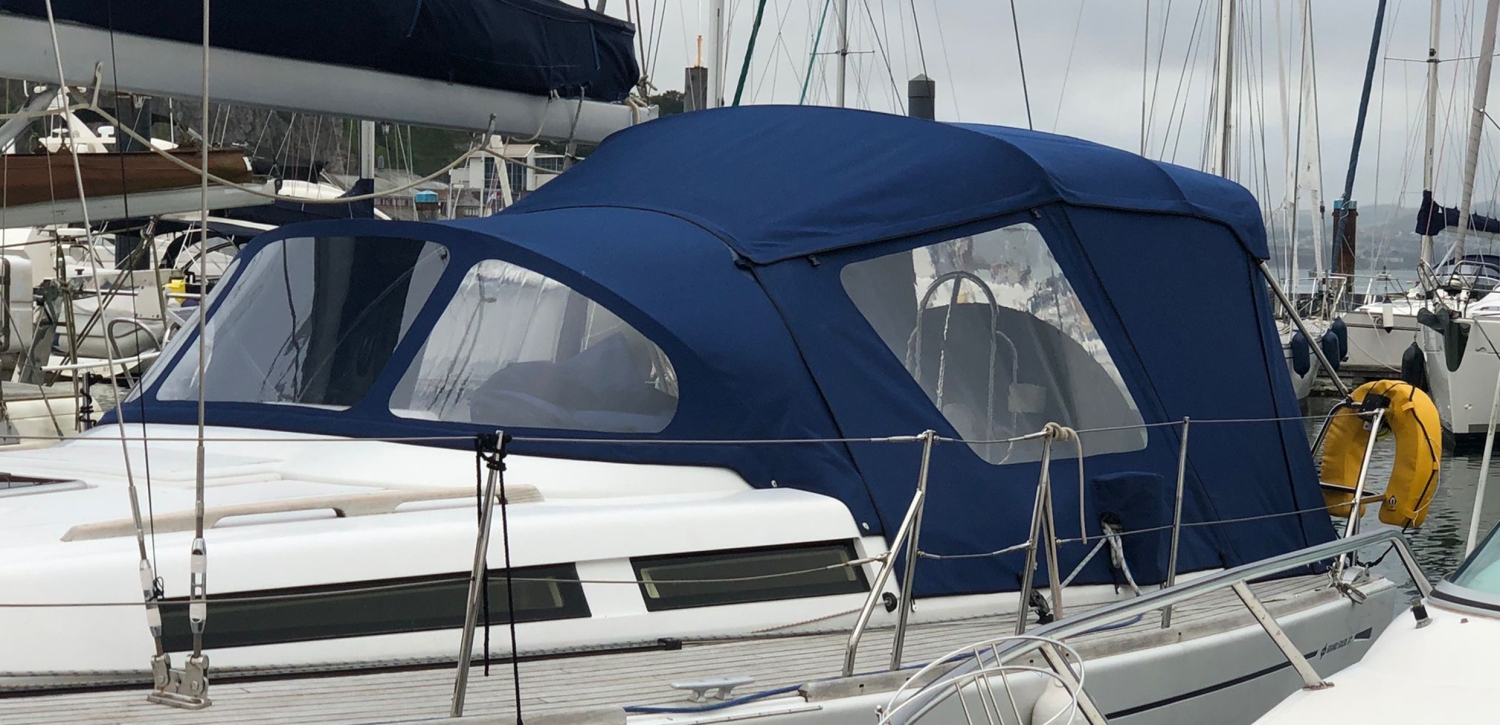
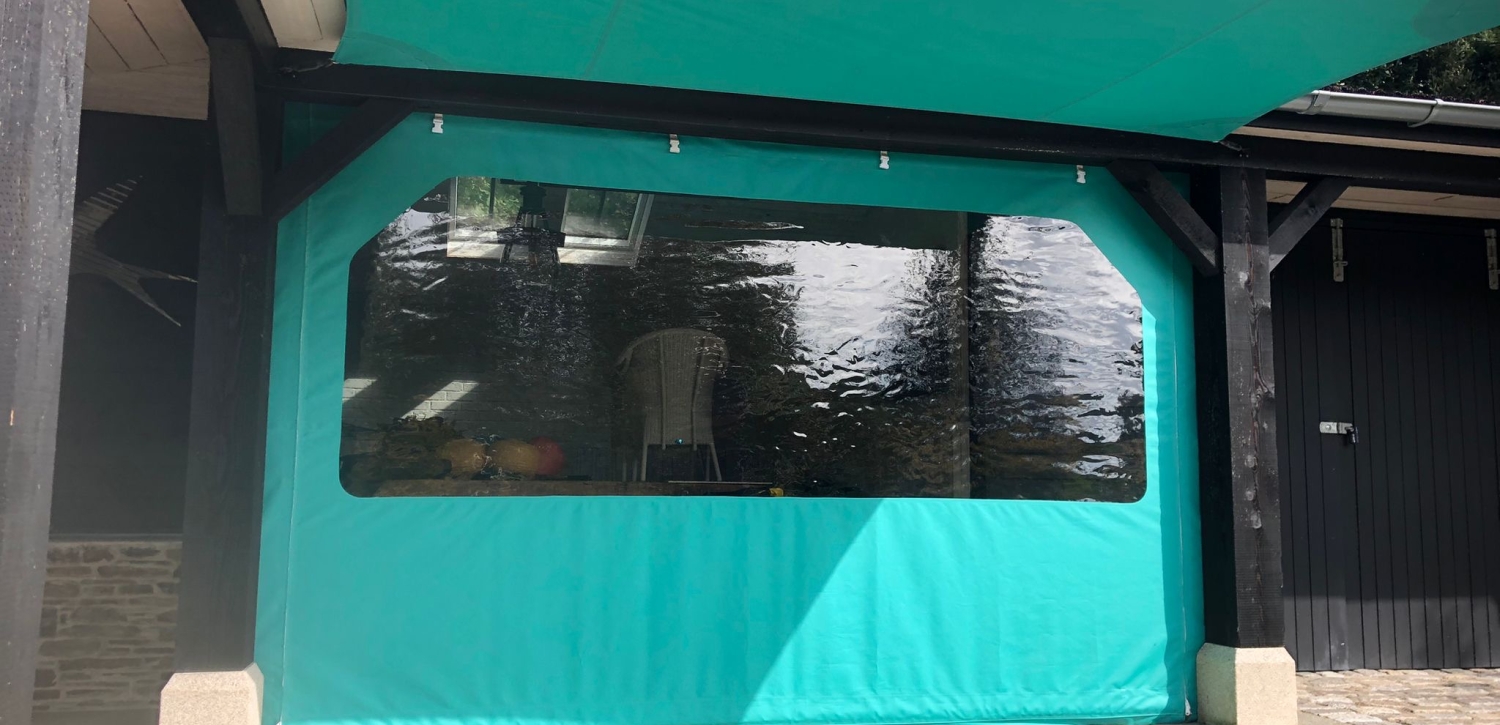
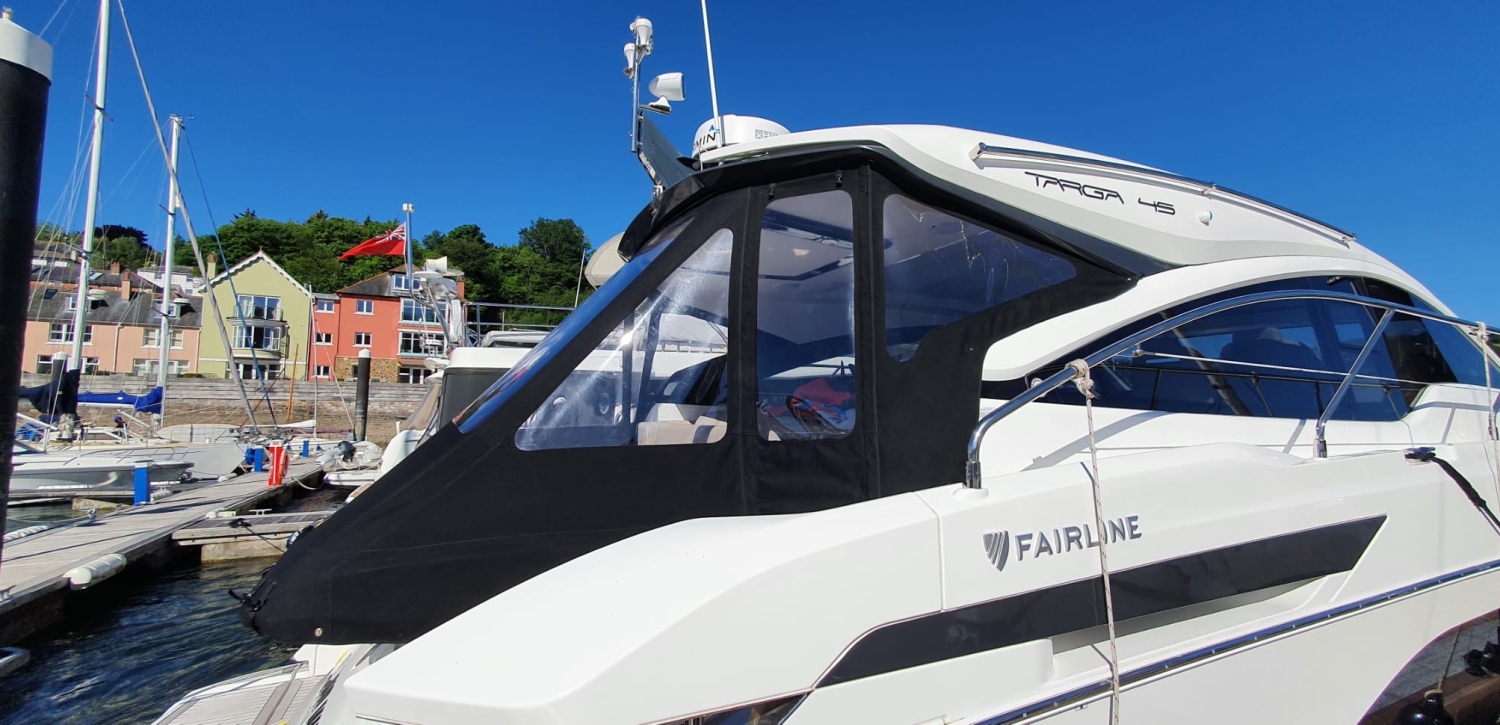
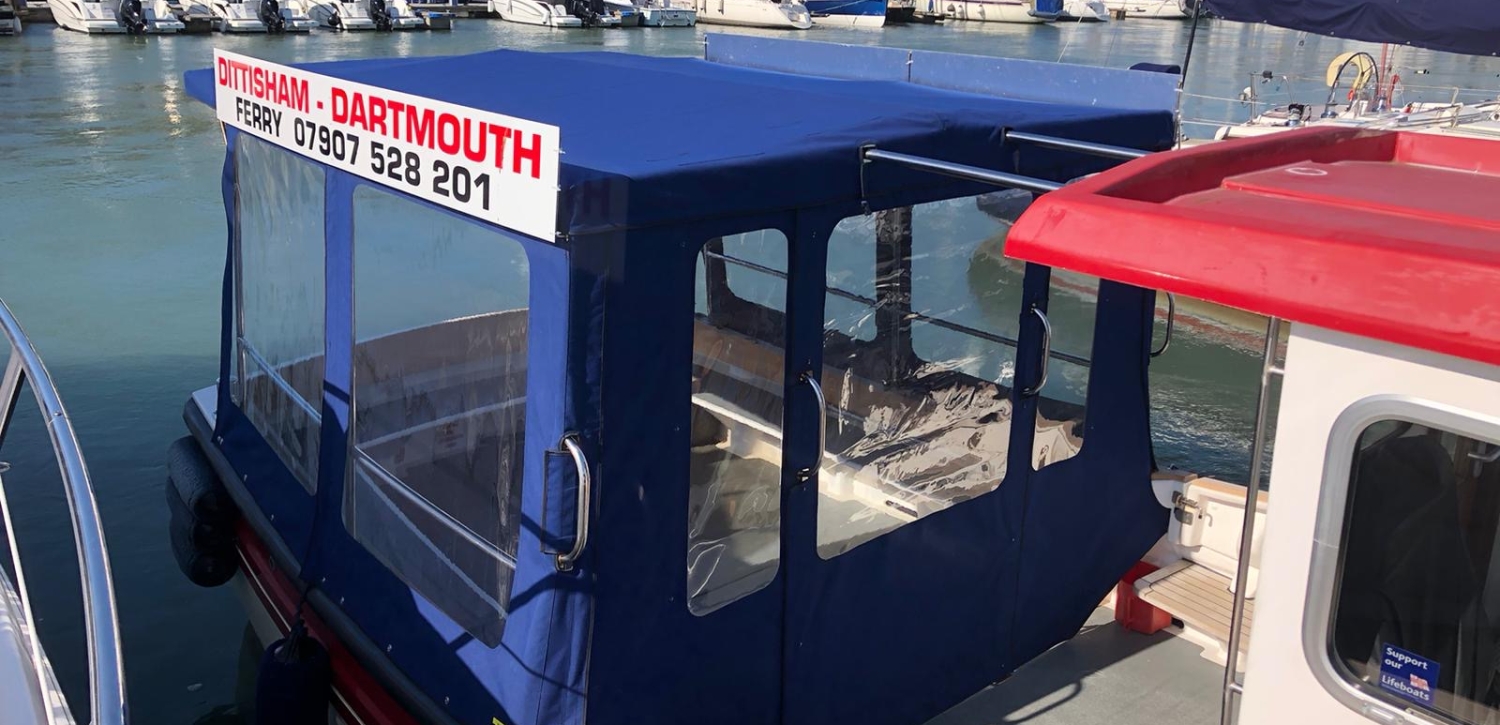
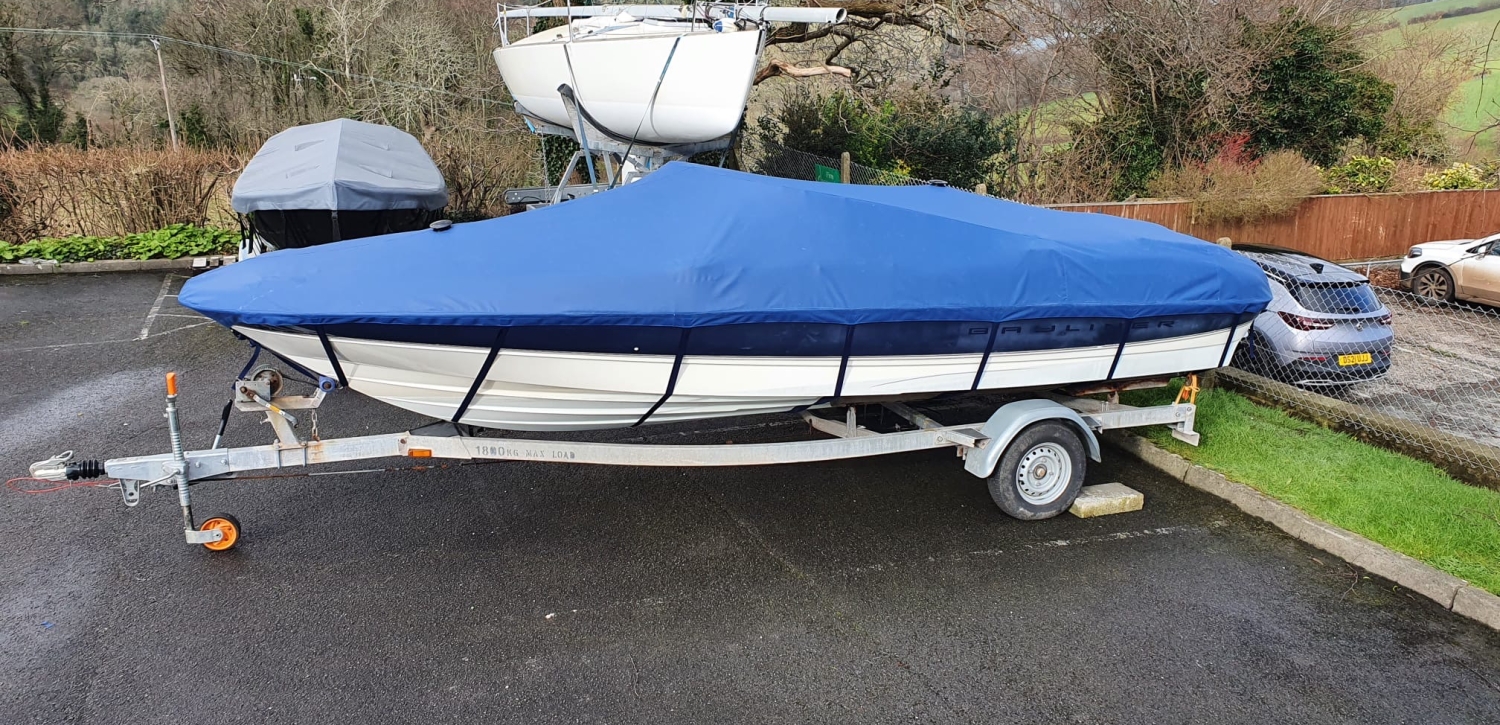
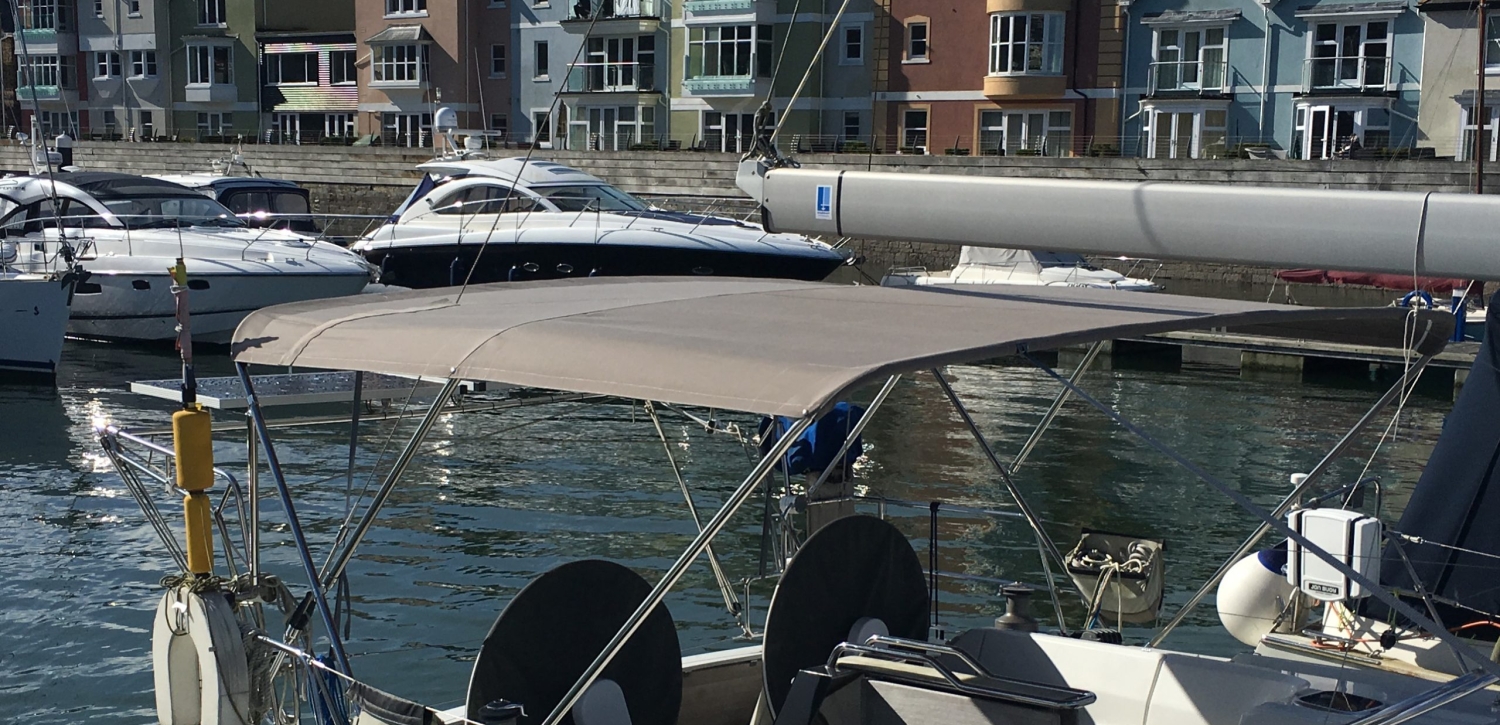
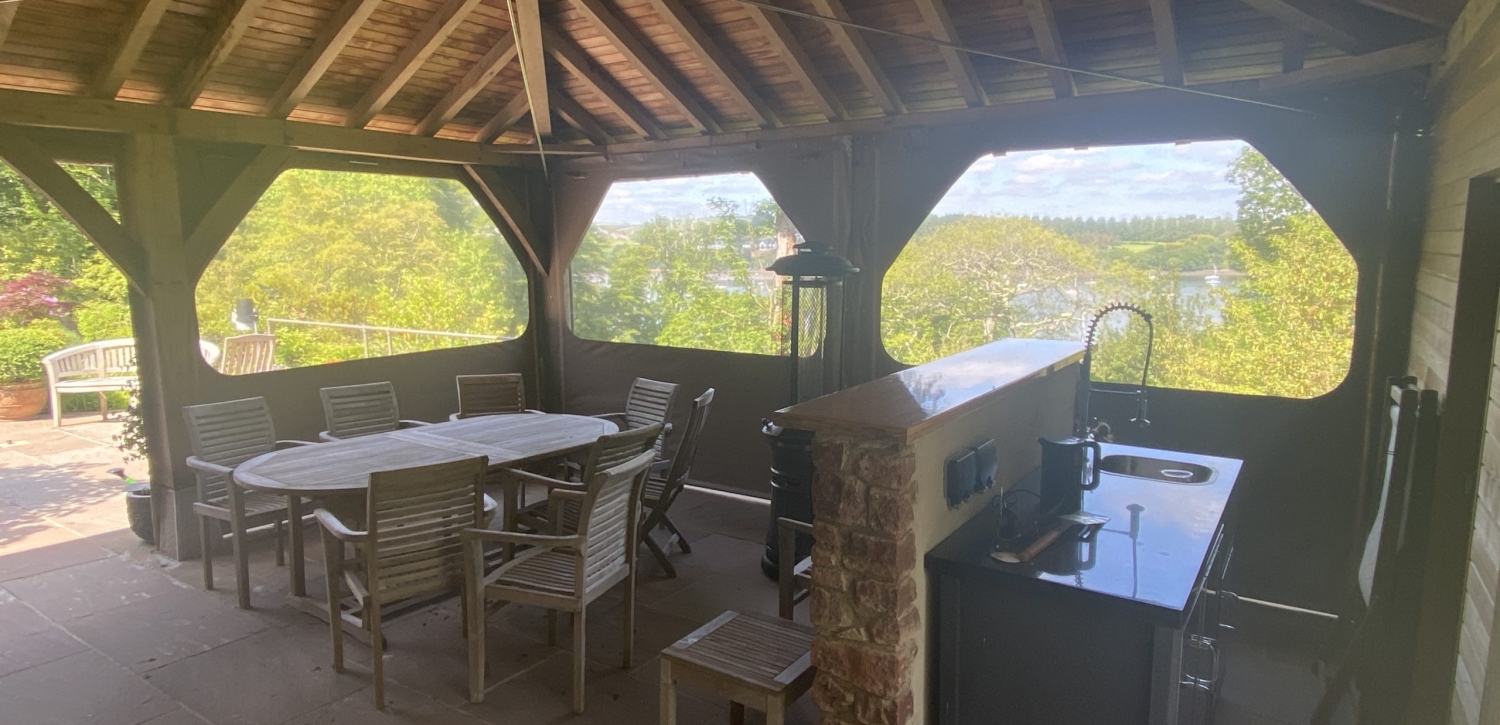
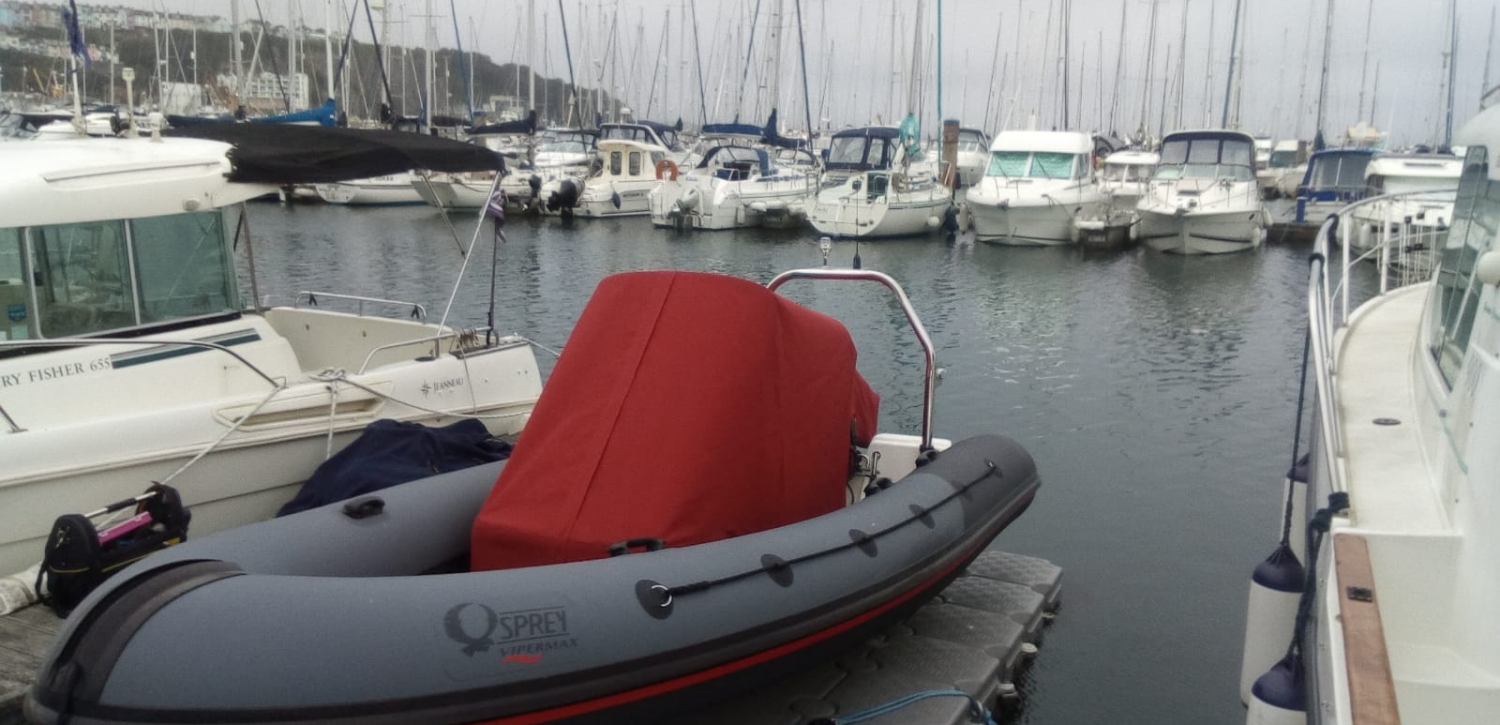
- On covers, all zips, fastenings and fittings, and windows for splits or tears
UV Strips
Roller reefing sails left uncovered will deteriorate very quickly, even in the UK climate, and can eventually rot away. It is essential that furling headsails are either protected with a dedicated Genoa Sock, removed when not in use, or fitted with UV strips on the leech and foot – the exposed areas of the sail.
We typically fit Odyssey, a lightweight and UV-stable polyester fabric, to the leech and foot. This provides protection for most boats for 4–6 years in UK conditions (less in high-UV areas). Odyssey is the industry standard for UV strips and has minimal effect on sail shape.
For higher UV environments such as the Mediterranean or Caribbean, we recommend:
- Sunbrella acrylic UV strips – longer lasting in high UV, but with more effect on sail shape
- Weathermax – very light and soft, with excellent UV resistance and minimal impact on shape
We can also upgrade all stitching to Tenara thread.


Tenara Thread
Standard sewing threads will eventually degrade due to salt crystals and UV exposure. Tenara thread is completely unaffected by UV radiation, salt water, acid rain, industrial pollutants and cleaning agents, and carries a 15-year guarantee.
For long-lasting covers, particularly in high-UV areas, we strongly recommend upgrading to Tenara thread.
More information: http://www.contender.co.uk/Products/TenaraThread.aspx
Storage
Sails should always be stored clean, dry and neatly folded or rolled in a warm, dry environment ready for next use or the next season.
We offer free storage after service, winterising or wash work, provided the invoice is settled within 14 days.
Repairs
All sails and covers occasionally require repair – often at the least convenient time. Whether you’re in the middle of a regatta, about to race, or mid-cruise, Dart Sails & Covers can help.
We sail ourselves and understand how important fast, reliable repairs are. We will do everything we can to keep you on the water, offering a prompt and efficient service. Emergency repairs can often be completed same day or next day, depending on workload.

Emergency Repairs
If you are mid-cruise with tidal gates and schedules to meet, we understand time is critical. We can usually turn repairs around very quickly to keep you doing what you came to do – boating.
Laundry and Fabric Performance
We offer a professional laundry service for sails and covers through one of the country’s leading marine valeting specialists.
Although often cosmetic, atmospheric pollutants such as soot, bird droppings, salt and sand can be extremely damaging to sailcloth and acrylic canvas. These contaminants attract and retain moisture, significantly increasing the risk of mildew and algae growth.
Mould grows by releasing enzymes that break down the material itself. This process can leave dark, permanent stains even after the fungus has been removed. Once staining has occurred it is often impossible to eliminate completely. For this reason, we strongly recommend annual washing at the end of the season to remove contaminants and keep sails and covers looking and performing at their best for as long as possible.

The Cleaning Process
Each item is individually assessed and cleaned using methods appropriate to its fabric and construction:
- Individual inspection to determine the correct cleaning method
- Flat cleaned by hand
- Fabric-specific detergents used – bleach is never used
- Final hand spot-cleaning where required
- Overnight drying in purpose-built warm drying rooms
The Effect of Salt on Fabric Performance
Salt is one of the most damaging – and most commonly overlooked – factors affecting the performance and lifespan of marine sails and covers.
As seawater dries on the surface of the fabric, it leaves behind salt crystals. These crystals lodge deep within the weave and coatings of the material, gradually changing the way the fabric behaves and performs.
How Salt Reduces Performance
1. Clogging of the Fabric Structure
Marine fabrics rely on microscopic gaps within the weave or coating to provide breathability, flexibility and controlled water resistance.
When salt crystals build up inside these spaces they:
- Block vapour pathways, reducing breathability
- Prevent moisture from escaping
- Increase condensation beneath covers
- Encourage mould and mildew growth
The fabric becomes less able to regulate moisture, even though it may still appear waterproof.
2. Increased Stiffness and Loss of Shape
As salt accumulates and dries:
- Fabrics become noticeably stiffer and harsher to handle
- Covers and sails lose their natural drape and flexibility
- Sailcloth becomes less able to respond correctly to wind loads
In sails, this stiffness reduces shape accuracy, lowering efficiency and overall performance.
3. Abrasion from Salt Crystals
Salt crystals are hard and abrasive. As the sail or cover moves:
- Crystals rub against individual fibres
- Yarns are gradually worn and weakened
- Coatings are damaged and broken down
This leads to reduced fabric strength, faster wear in high-load areas and premature failure of the cloth.
4. Damage to Laminates and Coated Fabrics
In laminated and film-based sails:
- Crystals abrade the Mylar film
- Microscopic scratches allow moisture to penetrate
- Delamination is accelerated
- Distortion, shrinkage and loss of performance can occur
In coated canvases:
- Water-repellent finishes are degraded
- Waterproofing efficiency is reduced
- Coating life is shortened
Wider Consequences
Salt contamination also:
- Attracts and retains moisture within the fabric
- Creates an ideal environment for mildew spores
- Increases UV damage by holding moisture against fibres
- Accelerates thread degradation and stitching failure
Over time this results in increased staining and mildew, reduced breathability, heavier and less responsive sails, and a significantly shortened service life.
The Importance of Regular Washing
Regular professional washing:
- Removes salt crystals from within the weave
- Restores breathability
- Improves flexibility and handling
- Reduces mildew risk
- Extends fabric and stitching life
- Helps maintain sail shape and performance
Even sails and covers that appear clean can contain significant salt contamination that is actively reducing performance.
Regular cleaning is therefore essential not only for appearance, but to maintain performance, protect materials and extend service life in the marine environment.